

 2 minute read
The US economy appears to be “in trouble” as the effects of significant government stimulus are already wearing off, according to TrimTabs Investment Research commentary over the Independence Day weekend. As stimulus effects fade, consumer demand recedes with it. And with unemployment figures still high, the economy looks to be in for continued distress in the back half of 2010. TrimTabs CEO Charles Biderman and executive vice president David Santschi, in commentary Sunday, countered the idea that a double-dip recession is “highly unlikely” due to its historical rarity. A double dip occurred three times over the last 150 years, the firm noted, but each recovery was partly characterized by an influx of demand. Biderman and Santschi said a recovery from the current recession will not be attributed to the government’s unprecedented stimulus policies, since no other economic recovery was sourced almost entirely by government stimulus. Historical recoveries benefited at least in part, they said, by pent-up demand for housing and other hard goods — purchases of which were constrained during times of recession. The current recession, however, resulted in stimulus efforts like the Obama Administration’s first-time homebuyer tax credit, which encouraged house purchases with tax credits of up to $8,000. The deadline for qualifying home buyers to enter a sales contract passed at the end of April, and Obama last week signed an extension of the closing deadline to September 30, from the previous June 30 deadline. Despite the extension, pending home sales plummeted 30% in May after the contract deadline passed — indicating first-time buyer demand for houses may already have dried up. The 30% drop in May followed a 6% jump a month earlier, according to research from outlook and commentary services firm Econoday:  “After the plunge in new home sales in May following the expiration of the sale deadline for the special homebuyer tax credit, it was no surprise that pending existing home sales also plummeted. But to many, the size was,” said Econoday senior economist Mark Rogers. TrimTabs’ Biderman and Santschi wrote: “There is no pent-up demand for housing or other hard goods to source a lasting recovery.” Unemployment and constrained wage growth further indicate the economy may be in hot water, according to TrimTabs. Based on tax withholdings, the firm estimates wages and salaries rose just 1.3% in June from a year earlier. At the same time, the Census Bureau laid off an estimated 243,000 temporary workers, weighing on an already underemployed labor force. Things are likely to get worse in the economy in the second half of 2010, mainly due to unemployment and tax circumstances, TrimTabs said. The firm noted that states and cities are likely to lay off hundreds of thousands of employees in the face of a $260bn budget deficit for the states in the next two fiscal years. Additionally, tax hikes in 2011 could discourage investment — and may even trigger waves of asset sales — in Q410, the firm said. Write to Diana Golobay.

Diana Golobay was a reporter with HousingWire through mid-2010, providing wide-ranging coverage of the U.S. financial crisis. She has since moved onto other roles as a writer and editor.see full bio
Most Popular Articles
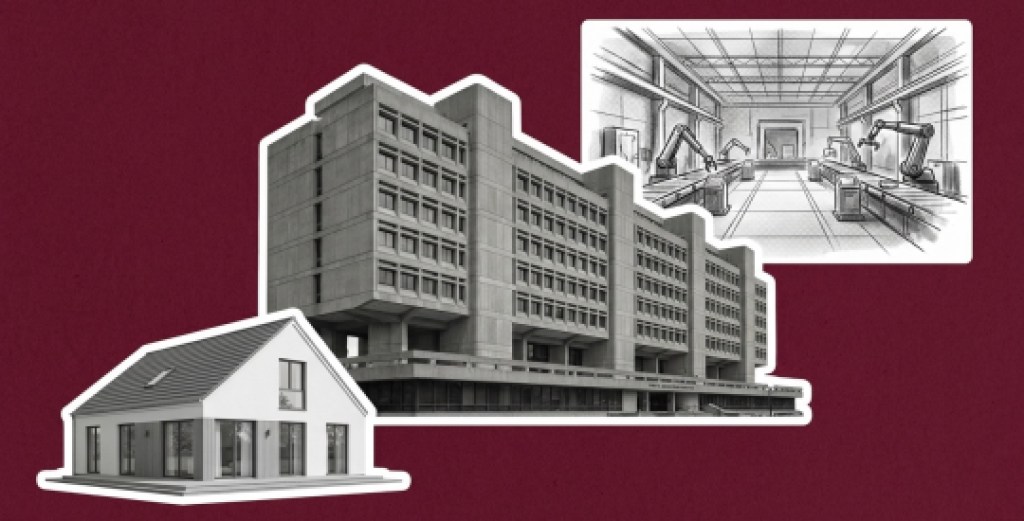
HUD tests a new Operation Breakthrough for today’s housing crisis
“Gallia est omnis divisa in partes tres.” All Gaul is divided into three parts. Julius Caesar used those words more than 2,000 years ago to begin an account of military conquest. America’s housing affordability challenge might be described similarly. Like Gaul of yore, it divides into three parts: talk, action, and outcomes. Identifying the three […]
Jun 23, 2026
-
Builders planned for undersupply, now demand is the swing factor
Jun 23, 2026 -
Fannie Mae to expand title pilot program, Pulte says
Jun 24, 2026 -
Why we can’t get more housing construction in the US
Jun 24, 2026 -
FHFA pushes GSEs to embrace chattel loans in Duty to Serve proposal
Jun 24, 2026 -
Housing demand holds steady as regional inventory trends reshape the market
Jun 25, 2026
Latest Articles

How the housing market survived the Iran conflict
Mortgage spreads improved in 2026, keeping rates below 7% and helping demand hold up, even as oil spiked and inflation stayed hot.
-
VA loan fee hike proposal advances in Congress, drawing industry pushback
-
Homebuilding scale emerges as a fiduciary priority for boards
-
Decade-long accessibility push earns Seattle agent fair housing honor
-
Don’t give away your future: Why servicing is becoming a strategic asset
-
Florida homebuyers sue Compass over $475 transaction fee
Diana Golobay was a reporter with HousingWire through mid-2010, providing wide-ranging coverage of the U.S. financial crisis. She has since moved onto other roles as a writer and editor.see full bio


