

 2 minute read
For those industry professionals that have worked in default management for any meaningful period of time, you learn pretty quick that borrowers facing the loss of their home will do some strange things — after all, it is a pretty personal event. Taking all appliances out is a pretty common sight; I personally can’t recall how many REO files I’ve seen where the former owner removed water heaters and stoves before packing up and leaving. So, too, is punching holes in drywall. Unfortunately, arson is relatively common among defaults, too. And with foreclosures on the rise, the number of arson cases is rising as well. Enough to catch the attention of Bloomberg News, even. Bloomberg quotes James Quiggle, a spokesman for the Coalition Against Insurance Fraud in Washington, as saying that national arson statistics for 2007 — due out shortly — will likely show a strong rise. Thus far, evidence from insurers for increased arson incidence has been anecdotal at best. “Home arsons follow foreclosure trends, with a lag,” Quiggle is quoted as saying. “We’re facing a potential spike in arson like we’ve never seen before.” Which, of course, means that hazard insurers are facing a spate of claims like they’ve never seen before; and, by extensions, lenders and servicers are likely to see a number of rejected claims that they’ve never seen before. HW has heard from a few servicers, who have said that their claims management teams are having to fight pretty hard to ensure that insurers pay out on the policies. Some insurers have already gone to the full-court press on the issue, refusing claims payments and forcing banks to take their complaints into court. HW published a contributed story in March from an attorney on the front lines with Wilson & Associates, PLLC, a creditor’s rights firm that operates in Tennessee, that looked at one such case involving US Bancorp (USB) and Tennessee Farmers Mutual Insurance Company. In that case, the hazard policy stipulated that Farmers be informed of any increase in hazard by the servicer, and when the borrower defaulted, the bank did not notify the insurer. When the house burned down and the insurer found out the borrower had defaulted on the mortgage, they refused to pay the claim. An initial ruling favored the insurer, but the Tennessee Supreme Court was set to hear an appeal on the matter. Disclosure: The author held no positions in USB when this story was originally published. HW reporters and writers follow a strict disclosure policy, the first in the mortgage trade.

Paul Jackson is the former publisher and CEO at HousingWire.see full bio
Most Popular Articles
HUD tests a new Operation Breakthrough for today’s housing crisis
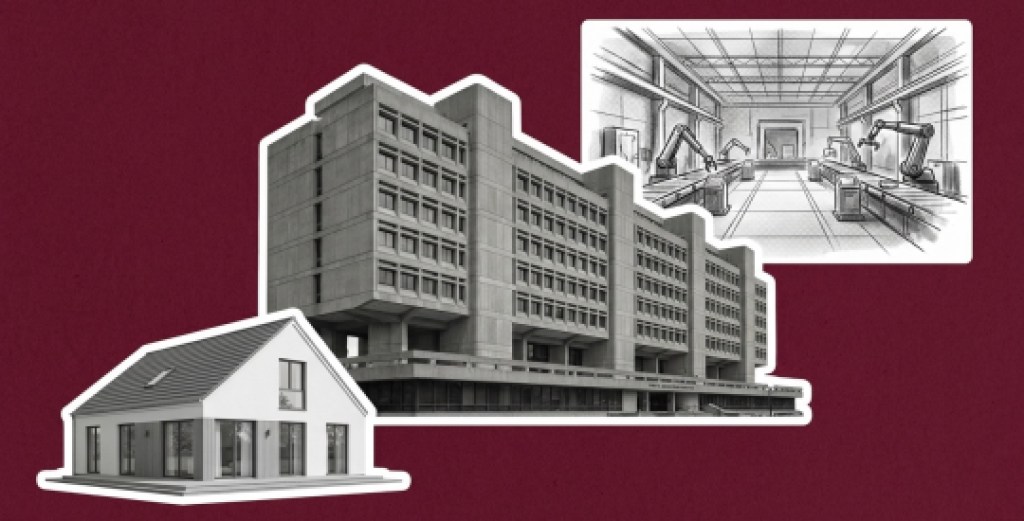
“Gallia est omnis divisa in partes tres.” All Gaul is divided into three parts. Julius Caesar used those words more than 2,000 years ago to begin an account of military conquest. America’s housing affordability challenge might be described similarly. Like Gaul of yore, it divides into three parts: talk, action, and outcomes. Identifying the three […]
Jun 23, 2026
-
Why we can’t get more housing construction in the US
Jun 24, 2026 -
Fannie Mae to expand title pilot program, Pulte says
Jun 24, 2026 -
Housing demand holds steady as regional inventory trends reshape the market
Jun 25, 2026 -
Mortgage performance steady in May as calendar drives delinquency bump
Jun 26, 2026 -
Florida homebuyers sue Compass over $475 transaction fee
Jun 26, 2026
Latest Articles

The hidden cost of leverage: Why today’s real estate investors need to be more conservative than ever
In today’s high-cost market, excessive leverage can quickly turn a profitable property into a financial liability. Investors must prioritize conservative underwriting and consistent cash flow over extracting maximum equity.
-
The mortgage industry is on an AI binge. Let’s make the hangover optional.
-
The spring selling season that wasn’t: Why builders are pivoting to margin recovery
-
Caregiver survey shows widespread burnout, with Gen Z hit hardest
-
DeSantis signs Live Local 4.0 housing reform into Florida law
-
eXp agent builds top RealTrends Verified team despite cancer battle
Paul Jackson is the former publisher and CEO at HousingWire.see full bio


