3 minute read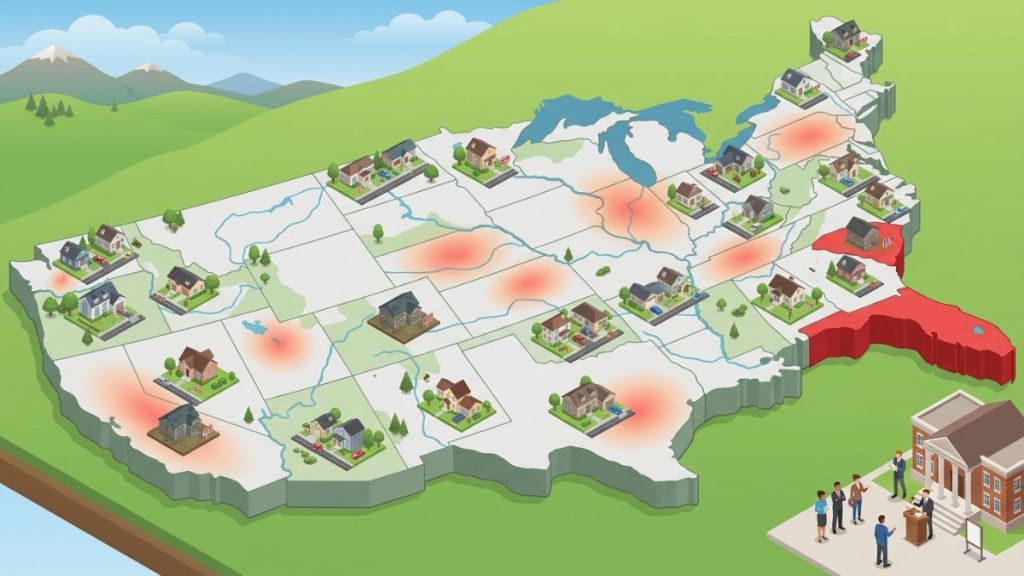
U.S. foreclosure activity continued its gradual annual rise in May 2026 even as filings declined from April, according to ATTOM’s latest Foreclosure Market Report.
The report, released Thursday, found 40,355 properties with foreclosure filings — including default notices, scheduled auctions or bank repossessions. That was down 5% from April but up 14% from May 2025.
Foreclosure starts increased 13% year over year to 27,304, while completed foreclosures — or real estate-owned (REO) properties — rose 6% to 4,092. ATTOM CEO Rob Barber said in the company announcement that elevated mortgage rates, higher homeownership costs and ongoing affordability pressures are contributing to the increase even as foreclosure activity “remains well below historical norms.”
Where foreclosure risk is highest
Nationwide, one in every 3,562 housing units had a foreclosure filing in May. The states with the highest foreclosure rates were:
- Florida: one in every 2,110 housing units
- South Carolina: one in every 2,287 units
- Maryland: one in every 2,369
- Nevada: one in every 2,386
- Indiana: one in every 2,516
Among metro areas with at least 2 million residents, Cleveland posted the highest rate, with one filing for every 1,524 housing units. It was followed by Baltimore (one in 1,804); Tampa (one in 1,878); Riverside, California (one in 1,980); and Orlando (one in 2,034).
For mortgage servicers, real estate investors and other market stakeholders, these state and metro-level rates highlight where distressed housing pipelines are thickening and where loss-mitigation or REO disposition resources may need to be rebalanced.
Texas, Florida and California lead in foreclosure starts
Lenders started foreclosures on 27,304 properties in May, down 4% from April but up 13% from a year earlier. The states with the highest number of foreclosure starts were:
- Texas: 3,590 starts
- Florida: 3,315 starts
- California: 2,530 starts
- Georgia: 1,161 starts
- Illinois: 1,150 starts
Some midsized metros are moving in the opposite direction. Among markets with at least 200,000 people and at least 20 foreclosure starts, the largest year-over-year drops in May occurred in:
- Santa Rosa, California (down from 93 starts in May 2025 to 21 in May 2026)
- Honolulu (68 to 30)
- Seattle (196 to 99)
- Visalia, California (39 to 22)
- Greeley, Colorado (78 to 45)
For lenders and servicers, higher starts in large states like Texas, Florida and California point to growing early-stage distressed pipelines. Conversely, sharp declines in select West Coast markets suggest local labor or affordability dynamics are improving relative to last year.
Completed foreclosures stay above 2025 levels
Lenders repossessed 4,092 properties through completed foreclosures in May, a 20% decline from April but a 6% increase from May 2025. The states with the most REO properties were:
- Texas: 519 REOs
- California: 427 REOs
- Florida: 340 REOs
- Illinois: 223 REOs
- Michigan: 222 REOs
Among metros with more than 200,000 residents, the highest REO counts were in:
- Chicago (204 REOs)
- Detroit (124)
- Houston (122)
- Dallas (88)
- New York City (84)
Elevated REO totals in large Midwest and Sun Belt markets point to steady inflows of distressed inventory for investors, fix-and-flip operators and single-family rental buyers, although volumes remain far below pre-2008 levels.
This article was generated using HousingWire Automation and reviewed by a HousingWire editor before publication.