Housing Market
The housing market is a crucial component of the U.S. economy, a fact that was evident to both the industry professionals associated with it and the wider public throughout 2022. Throughout the last year, the uptick in mortgage rates, coupled with other factors, like record-low inventory rates, has had a significant impact on all facets of the housing market. But, as industry professionals know, the housing market is cyclical, so we expect to see higher rates causing a downturn in buying demand. Conversely, lower interest rates increase consumer buying power and will typically drive an increase in home buying activity.
HousingWire housing market coverage lets you stay on top of the news that matters most and help to prepare you to navigate this unusual housing market. From pent-up demand in the market to expert forecasts for the 2023 housing market in 2023 and beyond, HousingWire has you covered.
The latest market trends
December 2022 — Housingwire lead analyst Logan Mohtashami noted that the next 12 months will be pivotal for the housing market, and we will likely see more rate hikes as the Fed continues to work to tame inflation. But according to Mohtashami, increasing supply is ultimately what is key to stabilizing the housing market and avoiding a recession:
“The following 12 months is what matters, and the best way to fight inflation is always adding more and more supply. If you’re trying to destroy inflation by killing demand by putting Americans into a job-loss recession — that isn’t the best long-term solution, you’re too late on the supply store.
We don’t need to create a job-loss recession to bring down inflation; we need more supply. In some parts of the economy, it takes too long to get that supply on, and some are much quicker.
However, with the mortgage rate hikes in place and knowing that the primary data line is lagging, we can hopefully assume that the Federal Reserve, which is a single-mandate Federal Reserve now and all about price stability, will move to a dual-mandate Federal Reserve. The dual mandate Fed is all about price stability and jobs. We need more time to get supply up, and we don’t need to overdo with rate hikes at this stage of the economic cycle.
We are still far from the Fed’s 2% inflationary target, but we don’t need to destroy the economy to get there. Since all six of my recession red flags are up, and I hope the growth rate cools down, mortgage rates can fall, which will stabilize the housing market, which in turn means the U.S. could avoid a recession near term.”
Latest Posts
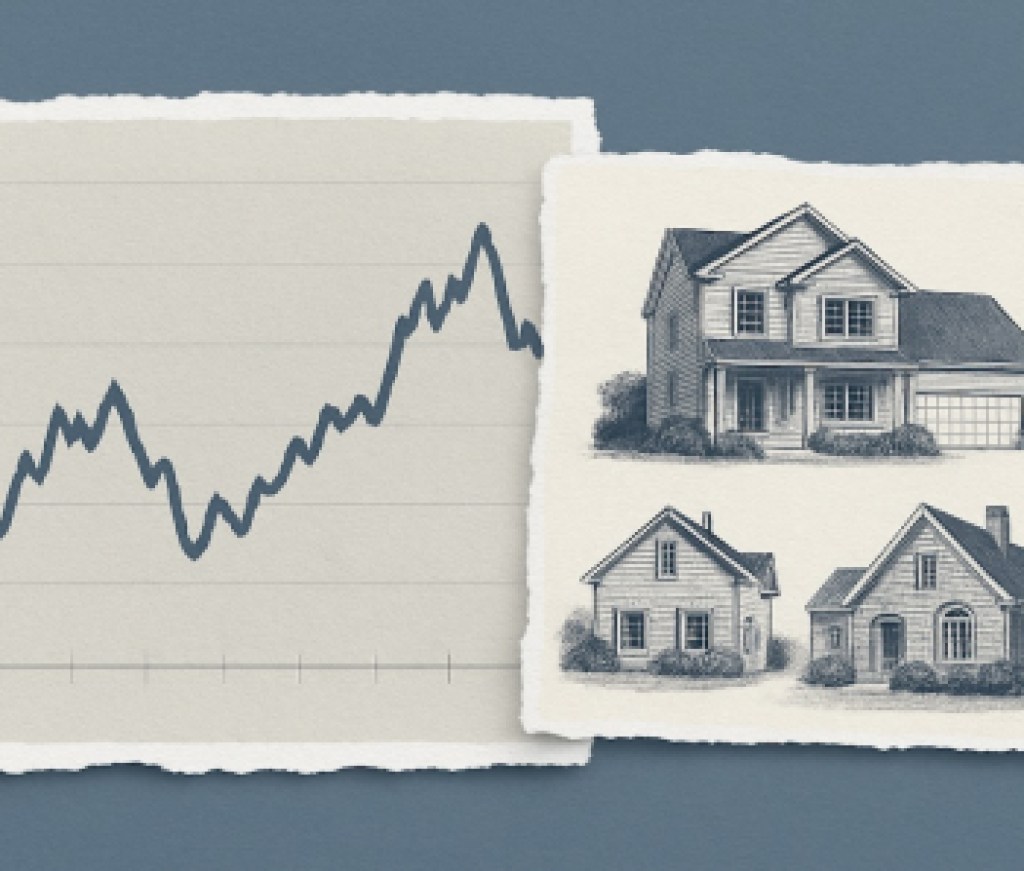
Case-Shiller: Home price growth remained slow in February
Apr 28, 2026Inflation again outpaced home price growth. Consumer prices rose 2.4% — leaving any housing gain in negative territory.
-
Michigan lawmakers unite behind redevelopment tax credit plan
Apr 28, 2026 -
LA wildfire recovery aftermath draws Trump scrutiny
Apr 27, 2026 -
Housing demand shockingly positive even as the Iran war continues
Apr 25, 2026 -
Citizens: Homeowners shift toward a ‘stay and upgrade’ mindset
Apr 24, 2026 -
Newark housing market outpaces cooling New Jersey
Apr 23, 2026 -
Auction.com: Q1 2026 foreclosure auction activity is nearing pre-pandemic levels
Apr 23, 2026 -
When standard DSCR falls short: What real estate investors should know about no-ratio financing
Apr 23, 2026 -
Inventory rises as pricing lags in the spring housing market
Apr 22, 2026 -
NAMB, Chenoa Fund partner to expand down payment assistance access
Apr 22, 2026 -
How to read the 21st Century ROAD to Housing Act
Apr 22, 2026 -
Climate risk threatens REIT revenues, First Street report finds
Apr 22, 2026
Latest Videos