Housing Market
The housing market is a crucial component of the U.S. economy, a fact that was evident to both the industry professionals associated with it and the wider public throughout 2022. Throughout the last year, the uptick in mortgage rates, coupled with other factors, like record-low inventory rates, has had a significant impact on all facets of the housing market. But, as industry professionals know, the housing market is cyclical, so we expect to see higher rates causing a downturn in buying demand. Conversely, lower interest rates increase consumer buying power and will typically drive an increase in home buying activity.
HousingWire housing market coverage lets you stay on top of the news that matters most and help to prepare you to navigate this unusual housing market. From pent-up demand in the market to expert forecasts for the 2023 housing market in 2023 and beyond, HousingWire has you covered.
The latest market trends
December 2022 — Housingwire lead analyst Logan Mohtashami noted that the next 12 months will be pivotal for the housing market, and we will likely see more rate hikes as the Fed continues to work to tame inflation. But according to Mohtashami, increasing supply is ultimately what is key to stabilizing the housing market and avoiding a recession:
“The following 12 months is what matters, and the best way to fight inflation is always adding more and more supply. If you’re trying to destroy inflation by killing demand by putting Americans into a job-loss recession — that isn’t the best long-term solution, you’re too late on the supply store.
We don’t need to create a job-loss recession to bring down inflation; we need more supply. In some parts of the economy, it takes too long to get that supply on, and some are much quicker.
However, with the mortgage rate hikes in place and knowing that the primary data line is lagging, we can hopefully assume that the Federal Reserve, which is a single-mandate Federal Reserve now and all about price stability, will move to a dual-mandate Federal Reserve. The dual mandate Fed is all about price stability and jobs. We need more time to get supply up, and we don’t need to overdo with rate hikes at this stage of the economic cycle.
We are still far from the Fed’s 2% inflationary target, but we don’t need to destroy the economy to get there. Since all six of my recession red flags are up, and I hope the growth rate cools down, mortgage rates can fall, which will stabilize the housing market, which in turn means the U.S. could avoid a recession near term.”
Latest Posts
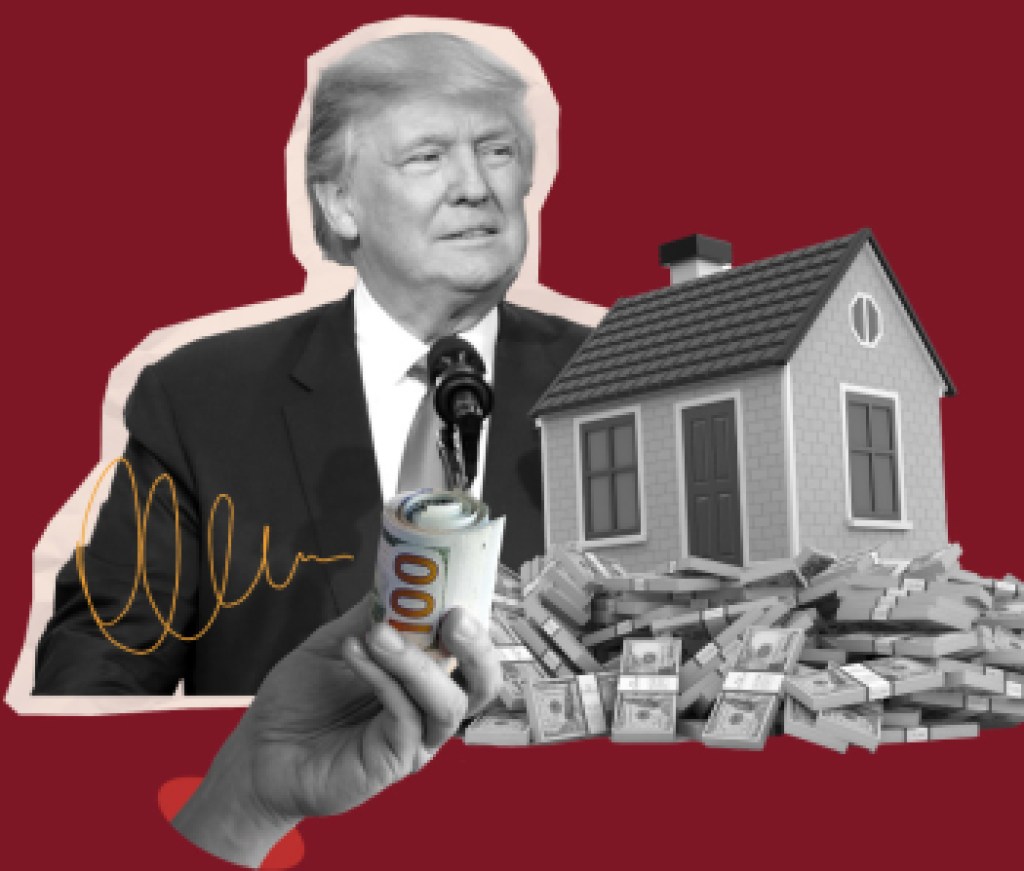
Trump executive orders target housing supply and mortgage credit
Mar 13, 2026The executive orders arrive a few weeks after Trump’s State of the Union address to Congress in which the president offered limited details about his housing affordability proposals.
-
Realtor.com data challenges effectiveness of Senate ban on big home investors
Mar 13, 2026 -
Is it time to bring banks back to the mortgage business?
Mar 13, 2026 -
The senior housing bottleneck is a mortgage market issue hiding in plain sight
Mar 13, 2026 -
Senate passes sweeping housing package in 89–10 vote
Mar 12, 2026 -
Trade groups raise alarms over 21st Century ROAD to Housing Act before Senate floor vote
Mar 12, 2026 -
Housing market is poised for growth in 2026 if Iran conflict doesn’t raise rates
Mar 11, 2026 -
Midwest housing markets surge as demand absorbs homes faster than new listings
Mar 11, 2026 -
February’s CPI report reveals steady annual inflation of 2.4%
Mar 11, 2026 -
Mortgage rates steady near 6.15% as oil and jobs data pose risks
Mar 10, 2026 -
Existing-home sales up in February, market faces spring challenges
Mar 10, 2026 -
Sorry, don’t buy Senate brief: “The facts: The 21st Century ROAD to Housing Act” won’t work unless amended
Mar 10, 2026
Latest Videos