

 1 minute read
The weak economic recovery, high unemployment rate, and recent slowing of inflation to a very low level suggest an increased risk of deflation in the United States (Liu and Rudebusch, 2010). However, the risk is lower if people expect inflation to remain stable at a positive rate. A brief period of negative inflation like the one observed during 2009, which was largely a consequence of dramatic declines in energy prices, should not pose a risk to the economy as long as it is viewed as a temporary phenomenon that does not alter longer-term inflation expectations. Measuring inflation expectations is a key factor in assessing the risk of sustained deflation. The challenge is to obtain reliable estimates of inflation expectations. This Economic Letter is based on a recently refined model that uses Treasury yields to estimate inflation expectations. The findings indicate that the heightened probability of deflation at the peak of the financial crisis has diminished considerably. Currently, the estimated probability is quite low.

Jason Philyaw was a reporter with HousingWire through mid-2012.see full bio
Most Popular Articles
Latest Articles
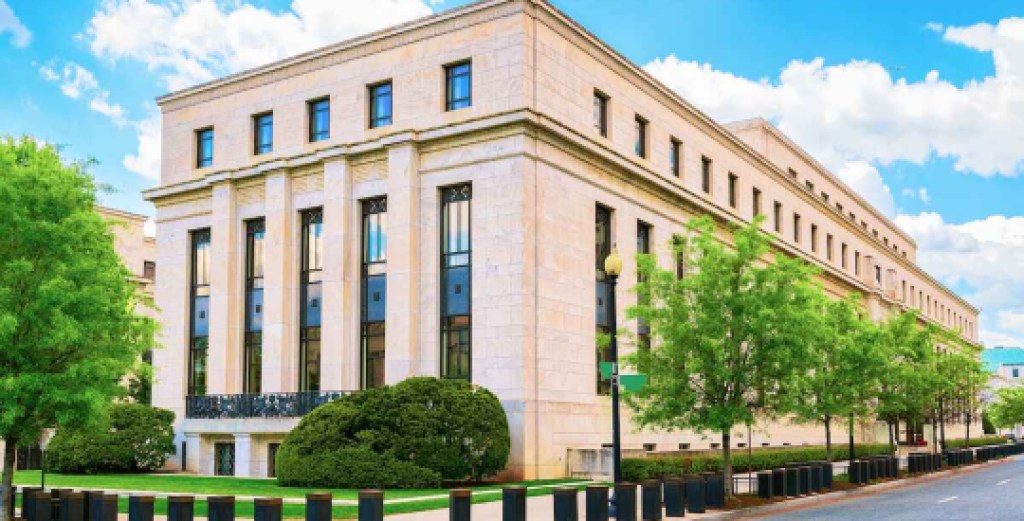
Will the Fed really hike rates 3 times in 2026, per Bank of America?
BofA forecasts three quarter-point Fed hikes in 2026, but market pricing and a 10-year yield near 4.51% argue for 0 to only one rate hike.
-
Fathom agents briefed on Bed Bath & Beyond acquisition plan
-
Consistency spells top 2026 RealTrends Verified rankings for Gary Mercer Sr.
-
UWM, Two Harbors CEOs clash in emails ahead of CCM deal vote
-
Former Christie’s International Real Estate affiliate hit with commission dispute
-
REMAX Premier expands in Chicago
Jason Philyaw was a reporter with HousingWire through mid-2012.see full bio


