

 2 minute read
The shadow inventory in the state of New York — properties with mortgage borrowers more than 90 days delinquent — will take around 154 months to clear. That’s nearly 13 years of unsold property supply. In the case of shadow inventory, a meaningfully strong housing market will not grow to vibrancy unless homes where the borrower is not likely to amortize are resold. The number of such homes in New York greatly outweighs the national average of 49 months, according to a Standard & Poor’s research note released this week. S&P says the Empire State is slow to expedite liquidations. New York is one of 21 judicial states, where courts hear foreclosure cases, which means it should take longer than usual. However, a foreclosure mediation program from 2008 is also partially to blame, though the analysts says this still isn’t enough to explain the statewide phenomenon. Other judicial states with foreclosure mediation programs are not nearly as slow to liquidate, the report adds (see chart below).  “The state’s extensive mediation program has made the foreclosure process more burdensome than those in most other states,” the report states. Oddly, some unique characteristics to New York are keeping the whopping 154 months lower than the timeline could be. S&P adds that co-ops, for example, can foreclose much quicker as such properties do not require the courts. Yet from an analytical perceptive none of this explains why New York’s shadow inventory liquidation will likely last longer than a decade. It’s true there are more subprime nonagency loans and higher property prices, when compared to national averages. But still, they conclude, “Despite the idiosyncrasies of the New York housing market, there is no clear reason for the very low liquidation rate in the state.” “Nevertheless, the breadth and strictness of New York’s foreclosure mediation procedures are significant contributors to the delays in liquidation.” Write to Jacob Gaffney. Follow him on Twitter @JacobGaffney.

Jacob Gaffney is formerly Editor-in-Chief of HousingWire and HousingWire.com. He previously covered securitization for Reuters and Source Media in London before returning to the United States in 2009. While in Europe for nearly a decade, he covered bank loans and the high yield market, in addition to commercial paper, student loan, auto and credit card space(s).see full bio
Most Popular Articles
Latest Articles
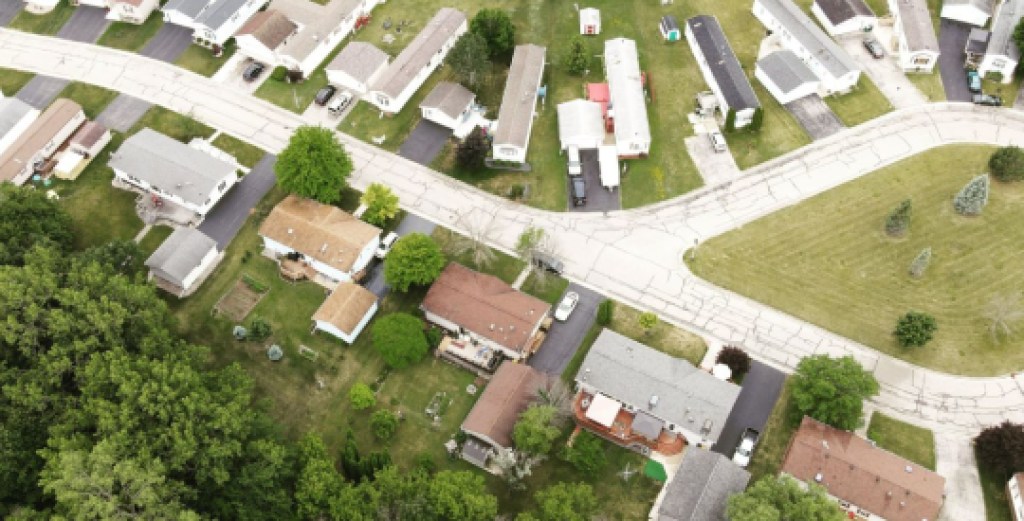
HUD would permit multi-story manufactured homes without a permanent chassis
HUD proposes expanding manufactured home rules for multi-story designs, allowing upper sections without a chassis that can cost $5,000 to $10,000.
Jacob Gaffney is formerly Editor-in-Chief of HousingWire and HousingWire.com. He previously covered securitization for Reuters and Source Media in London before returning to the United States in 2009. While in Europe for nearly a decade, he covered bank loans and the high yield market, in addition to commercial paper, student loan, auto and credit card space(s).see full bio


