

 1 minute read
Moody’s Investors Service improved its outlook for Australia’s real-estate investment trusts (A-REITs) from negative to stable, citing its belief that credit conditions for the sector will firm over the next 12-18 months. “There are clear signs that the business conditions for the A-REIT sector are stabilizing, with Australia’s economy outperforming expectations of earlier in the year, and avoiding a recession,” said Clement Chong, a Moody’s vice president. Moody’s expects unemployment to peak at 7%, below the previously projected 10% for other Organization for Economic Cooperation and Development (OECD) nations, and it appears Australia’s economy, which is outperforming expectations, will avoid going into recession. As a result, major tenants are rehiring and retailers are gradually resuming their plans for expansion, Moody’s said, and those developments will need additional retail space and support from warehouse and distribution facilities, which should help commercial REITs. “But, demand is still fragile and recovering from a low trough,” Chong said. “Despite that, we do not expect vacancy rates to deteriorate materially, and we believe that asset values are nearing the end of their declines.” Supply and demand are expected to balance out, as the supply of office, retail, and industrial space remains low because credit constraints have stifled new development, Moody’s said. Improved demand will lessen the likelihood of a future rise in vacancies. Write to Austin Kilgore.

Most Popular Articles
Latest Articles
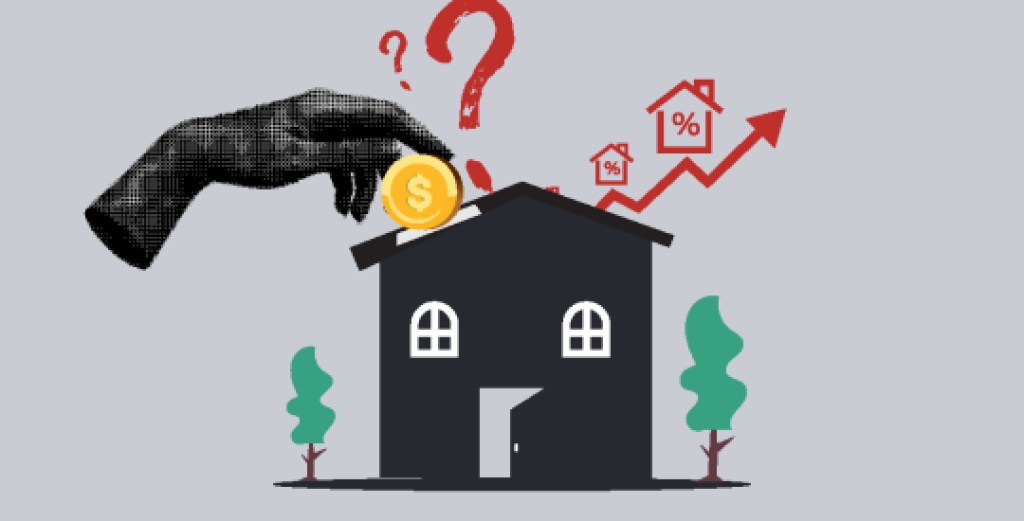
Keys to the housing market for the rest of 2026
The second half of 2026 hinges on whether demand stays positive with mortgage rates near 6.60% and tighter comps from July onward.
-
What a 50-year-old letter says about accountability in homebuilding
-
Four rules for underwriting secondary Texas markets in a slower cycle
-
ICE executives detail AI cybersecurity efforts through Project Glasswing
-
Home flipping slowed in early 2026 but investors saw returns tick up
-
Aging in place is reshaping housing demand — and most homes aren’t ready


