



Mortgage lenders continue to invest in AI, automation and digital transformation despite ongoing cost pressures. Yet many organizations still struggle to achieve the returns they expected.
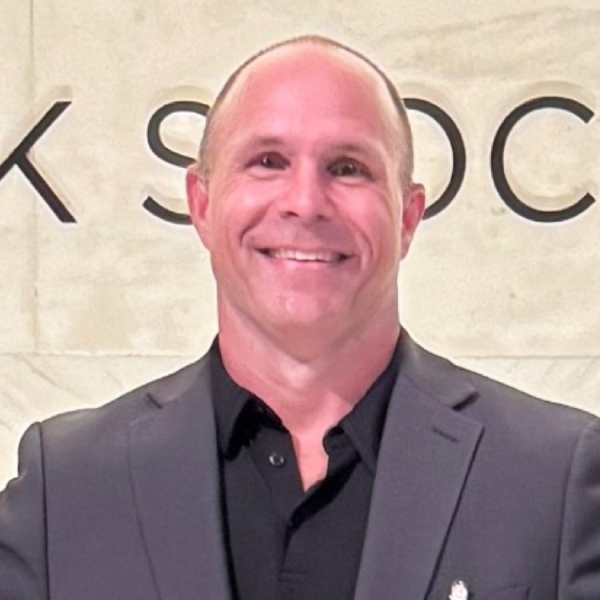
Larry Bailey, CEO of Mortgage Workflow Partners, said the problem isn’t the technology itself. It’s that lenders often implement new tools before fully understanding the workflows those tools are meant to improve.
In this conversation, Bailey explains why mortgage workflow governance has become a critical competitive advantage, how institutional knowledge can create hidden operational risks and why lenders should map their processes before purchasing their next technology solution.
Technology only succeeds when workflow comes first
HousingWire: Many mortgage companies have continued to invest heavily in technology despite growing budget pressures. Why do so many transformation efforts struggle to deliver results, and what role does workflow governance play in closing that gap?
Larry Bailey: Companies often assume their technology projects are succeeding because they’ve implemented new tools, but implementation isn’t the same as achieving meaningful mortgage AI ROI. Five years later, the mortgage industry is still largely document-centric. If lenders don’t fully understand their workflows and no one truly owns them, new technology simply gets layered onto inefficient processes.
The companies that succeed establish best-practice workflows first, then align technology to support those processes. Without documented ownership and governance, projects lose direction and fail to produce the operational improvements leaders expect.
The biggest blind spots are often invisible
HW: You often say you solve problems clients don’t yet realize they have. What blind spots do you uncover most often?
LB: One of the biggest is what I call the “threshold problem,” which is the gap between what two parties know about themselves versus what they understand about each other. Whether it’s lenders working with technology vendors or departments working internally, decisions are often made with incomplete information.
That’s why discovery is so important. Organizations need to slow down long enough to understand what they’re trying to accomplish, verify that a solution actually solves the problem and evaluate how it fits into existing workflows. Too many companies skip those steps and end up implementing technology based on assumptions rather than evidence.
Institutional knowledge is one of a lender’s greatest assets
HW: As organizations become more cautious about spending, how should leaders distinguish between costs they can cut and knowledge they can’t afford to lose?
LB: Institutional knowledge is irreplaceable. We’re currently documenting workflows for a large lender in which only a handful of employees possess critical operational knowledge. If those people disappeared tomorrow, the business would face enormous disruption.
The challenge is that most organizations lack visibility into how work actually moves through the company. Once workflows are documented and maintained, everyone understands how loans progress, responsibilities become clearer and operational risk declines.
That’s one reason I developed WorkflowCoach™. Existing process-mapping tools document today’s workflow, but they don’t effectively model future-state workflows after new technology is introduced. Before adopting any solution, lenders should be able to see exactly what changes and whether those changes truly create value.
Technology doesn’t fix broken processes
HW: Your new book argues that workflow should come before technology. How does that challenge traditional digital transformation?
LB: Companies have historically assumed better technology will solve their problems. I compare it to buying a fitness watch. The watch doesn’t improve your health. Better habits do. The technology simply helps you measure progress.
Mortgage companies have spent years buying better technology, yet many still aren’t achieving the financial improvements they expected. That’s why I created Mortgage Workflow Partners around the idea of Workflow Before Technology®. First, determine what you’re trying to accomplish, then identify technology that makes good workflows even better.
Always ask “why?”
HW: You’ve said your team often succeeds by asking different questions. What separates organizations that solve root causes instead of symptoms?
LB: I always encourage people to think like a curious five-year-old and keep asking “why?”
Companies frequently buy technology because they’ve always done things a certain way without questioning whether the process still makes sense. For example, many lenders continue collecting documents when much of that information can now be obtained directly from verified data sources.
Rather than asking how to process documents faster, organizations should ask why they’re collecting those documents in the first place. Once you understand the purpose behind every step, you can build better workflows that reduce unnecessary work and improve the borrower experience.
Keeping workflows aligned with reality
HW: Where do you see the biggest disconnect between how organizations design processes and how employees actually perform them?
LB: Usually, they’re miles apart. The longer a workflow goes without being reviewed, the wider that gap becomes.
During workflow alignment assessments, we often discover employees created better workarounds years ago, but management never updated the documentation. New employees are trained using procedures that no longer reflect reality, so experienced workers become the unofficial trainers.
That’s where workflow governance breaks down. Companies may have SOPs and training manuals, but they lack living workflows that clearly define how work should be done. Those workflows also need continuous updates whenever vendors, systems or business processes change. Most lenders simply don’t have that discipline today.
Preparing for the next phase of transformation
HW: Looking ahead, how should mortgage workflow governance, operational expertise and technology work together?
LB: Ideally, every department owns and continuously updates its portion of the workflow so leadership always has an accurate picture of how the business operates.
With WorkflowCoach™, we can document a client’s current workflow, analyze a new technology platform and then model exactly what the future-state workflow will look like. We can identify where steps disappear, where automation occurs and where new tasks are introduced before implementation begins.
Technology shouldn’t be evaluated because it’s new or inexpensive. Organizations should ask whether it improves workflow, produces measurable mortgage AI ROI and benefits the business as a whole.
Reducing costs starts with understanding the workflow
HW: Is there anything else leaders should be thinking about?
LB: Many lenders say the cost of doing business is too high, but few understand exactly where those costs come from. Instead of focusing only on new technology or cutting expenses, they should start by examining their workflows and using loan-level accounting to see where money is being lost. Hidden costs often show up in post-closing, defect cures, lender credits and concessions, where inefficiencies quietly reduce profits.
Lenders also tend to make operational changes, like adding mortgage AI automation or combining teams, without considering how those decisions affect the overall workflow. Other industries routinely measure the impact of these changes before making them, but mortgage lending rarely does. Until lenders understand how work actually moves through their organizations, they’ll continue to solve the wrong problem.


