5 minute read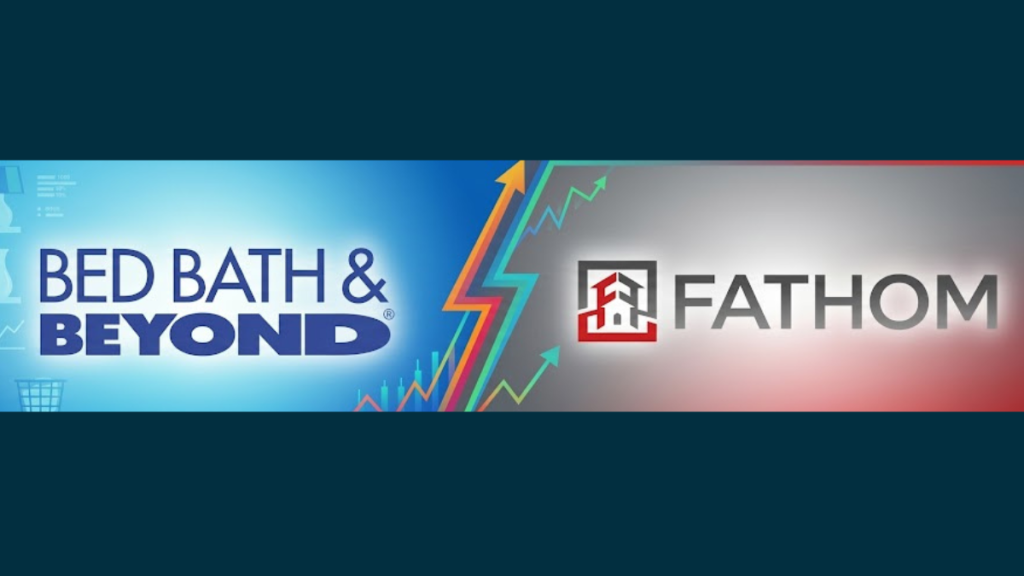
The real estate industry just got a headline that reads like a misprint. Bed Bath & Beyond is buying a brokerage. The same Bed Bath & Beyond that filed for bankruptcy and closed every store it owned a few years ago. The brand name will grab the attention. The strategy behind it is what industry leaders should study.
On June 17, Fathom Holdings signed a definitive agreement to be acquired by Bed Bath & Beyond, Inc. in an all-stock transaction. The deal values Fathom at roughly $53.38 million, with Fathom shareholders receiving 0.2236 shares of Bed Bath & Beyond stock for every share they own. The companies expect to close in the second half of 2026, subject to regulatory approval and a vote of Fathom shareholders.
Not yesterday’s Bed Bath & Beyond
The company writing the check is not the retailer most people remember. The original Bed Bath & Beyond collapsed in 2023. Overstock.com bought the brand and the intellectual property out of bankruptcy, renamed itself Beyond, Inc., then in 2025 took the Bed Bath & Beyond name back because it was the most valuable piece of intellectual property the company owned.
Today, led by the television entrepreneur Marcus Lemonis, it owns Bed Bath & Beyond, Overstock, buybuy Baby, Kirkland’s Home, The Container Store and a portfolio of other assets. It is a holding company built around a famous name.
Lemonis has been direct about the vision. He is building what he calls Everything Home, an ecosystem organized around three pillars: homeownership and transactions, omnichannel commerce, and home services. Fathom fills the first pillar, bringing brokerage, mortgage, title, insurance and a technology platform. The pitch is a single company that can sell a consumer the house, finance it, insure it and then furnish it. On paper, it is a coherent idea, and Lemonis has assembled real scale to chase it.
Give both companies their due. Fathom is a respected, fast-growing platform. In 2025, it generated about $420 million in revenue, up 25% year over year, with transactions up nearly 15%, built on a technology-first model and a growing set of higher-margin mortgage and title services. Bed Bath & Beyond, for its part, has been mounting a real turnaround. In its most recent quarter it returned to revenue growth for the first time in 19 quarters, sharply narrowed its losses, and ended the period with about $163 million in cash.
The structure deserves a clear eye
This is an all-stock deal, so the value moves with the share price, and neither company has reached profitability yet. That is not unusual in this part of the industry, where plenty of well-regarded names have run at a loss while building scale, but it does mean the payoff here depends on execution.
When the news broke, Fathom shares jumped about 82%, a sign investors saw real upside in the pairing. The honest way to read it is two growth-stage companies, each bringing real assets, betting that together they can reach a scale neither could reach alone.
Here’s why this matters beyond one transaction. The deal is part of a sustained push to own the entire homeownership journey. Portals, national brokerages, lenders and now a retail conglomerate are all chasing the same outcome: a single front door that captures search, financing, title, insurance, the sale itself and everything the consumer buys after the keys change hands. Whoever owns that front door owns the customer relationship and the data that comes with it.
That ambition raises questions our industry should be discussing now
When one company controls every step of the transaction, where does independent advice live? What does real consumer choice look like inside a closed ecosystem? And what happens to open competition, and to the MLS, when the goal is to keep the consumer inside one funnel from the first search to the closing table? These are not reasons to panic. They are reasons to pay attention and to lead the conversation rather than react to it.
There is a larger point that often gets lost in deal coverage. You can bundle services. You can connect a brokerage to a lender to a title company to an insurance product to a furniture catalog. What you cannot bundle is trust and judgment.
The purchase of a home remains the largest financial and emotional decision most people ever make and consumers still want a knowledgeable professional who represents their interests, reads the local market and negotiates on their behalf.
No platform has replaced that, and the evidence keeps pointing the other way. The more the transaction gets automated and packaged, the more valuable independent, expert human guidance becomes.
Here’s the honest read for industry leaders
The name on this deal is a curiosity. The strategy behind it is the story. The race to own the full homeownership journey is accelerating, and it is not going to slow down. Our job is not to fear it. Our job is to compete on the one thing these platforms cannot manufacture, the trusted relationship between a skilled professional and the family they serve. That is where the lasting value sits, and it is not for sale.
Darryl Davis, CSP, is a speaker, coach, and bestselling author who has trained real estate professionals, and the leaders who build them, for more than 40 years. He is the founder of the POWER AGENT® Coaching Program and Darryl Davis Seminars. Learn more at darrylspeaks.com.
This column does not necessarily reflect the opinion of HousingWire’s editorial department and its owners.
To contact the editor responsible for this piece: [email protected]