3 minute read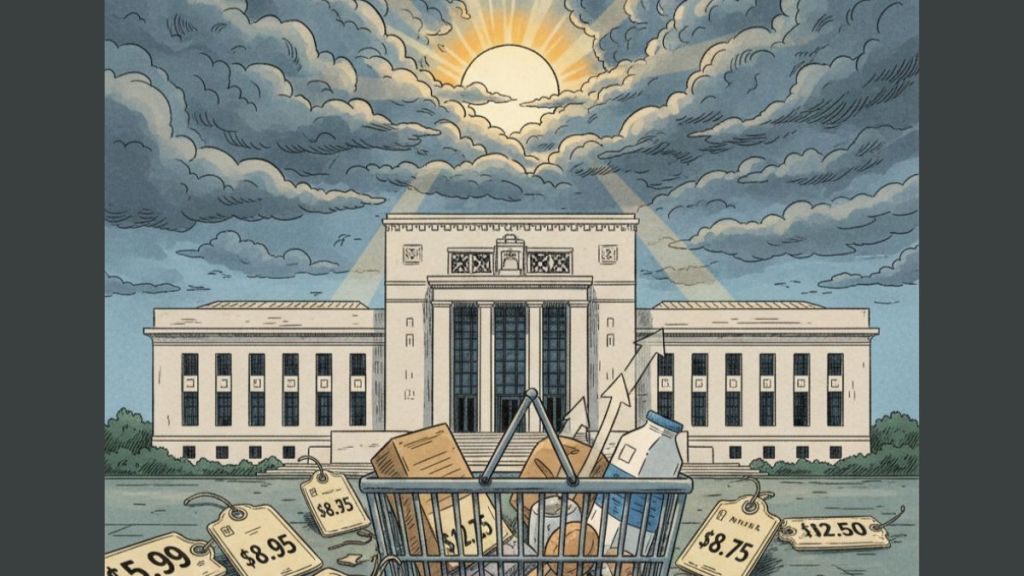
As we approach Jobs Thursday, certain Federal Reserve members have still not changed their tune about rate hikes, even with oil prices back down to $70 today. Why haven’t mortgage rates dropped along with oil prices? Because Fed policy has shifted, and some Fed member want more rate hikes.
Today, I will use Cleveland Fed President Beth Hammack as an example, looking at her remarks on CNBC.
Here are some of Hammack’s comments in the CNBC interview:
- “If consumer data holds up, Fed policy may not be restrictive enough.”
- “Inflation is still too high, Fed may need to consider rate hikes.”
- “Job market is right around full employment, growth looks good.”
Hammack doesn’t place much weight on falling oil prices; in fact, she says they might lead to better spending and more inflation.
And in her view, the AI story is inflationary, not disinflationary, due to the growth in data centers. She used the example of higher electricity costs, which has been a common negative theme due to the massive energy used by these data centers. Also, the AI boom is causing chip shortages and raising prices, as seen when Apple recently increased prices on their products.
Data centers are becoming a core factor in the Fed’s more hawkish stance, and probably a big reason AI popularity has been declining lately.
Hammack believes in her full-employment model, which means the current labor data is fine in her view. In fact, she was the least concerned Fed member last year when job growth hit 21st-century lows, so it’s not shocking to hear her say we are at full employment.
Today’s job openings report gave her more ammo for rate hikes, because the job openings data is no longer declining, as it did toward the end of 2025. In fact, it’s been rising in the BLS jobs report as well. A lot of people hate the job openings data, but the Fed loves it, and they make the rules, folks.
The Federal Reserve is big on jobless claims data, and it’s still near historical lows, so Hammack has a lot of ammunition for rate hikes, given her belief that the labor market is strong. Since late 2022, I have warned people not to talk about a recession until this data line breaks above 323,000. We are still under 250,000 here, with no noticeable uptrend for years now, so it’s not shocking we haven’t had a recession yet.
Hammack is just one person, like Kevin Warsh, but to me, she is the ringleader of the rate-hike movement at the Fed. Neil Kashkari of the Minneapolis Fed has said he wants just one rate hike in 2026, but I believe Hammack wants all the rate cuts from last year reversed, since she wasn’t really into them. All this makes for an interesting Jobs Thursday and the next Fed meeting in July.