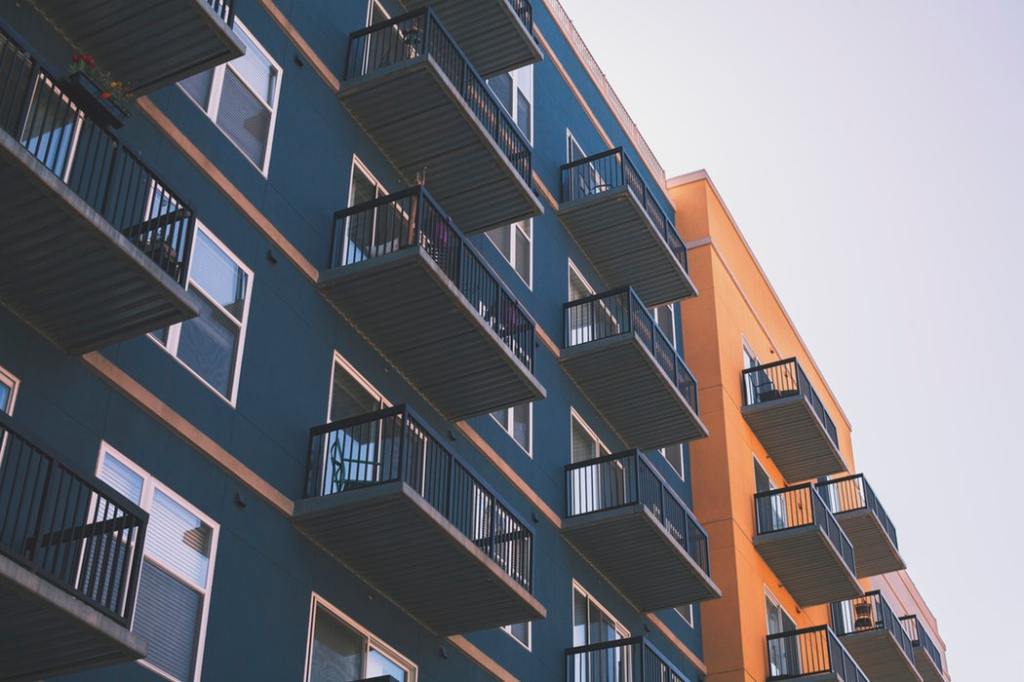
Coming out of summer recess, California lawmakers will tackle condominium construction defect legislation that has cleared committees and passed one chamber.
Assembly Bill 1903 is one of two condo bills introduced this year by state lawmakers. It would change condo construction defect liability rules to create a true “right-to-repair” process, letting developers fix problems before facing high-stakes litigation.
The other bill, AB 1406, would raise the state’s liquidated-damages limit on new condo sales from 3% of the purchase price to 6%. The change would give developers more certainty by discouraging buyers from walking away from deals.
Backers call the bill “condo deposit reform,” and it’s meant to modernize a rule that’s among the strictest in the country. The California Association of Realtors stalled the bill in a General Assembly committee, playing on concerns over shifting risk from builders to buyers. Supporters say it now has little chance of passing.
California’s condo push comes as Congress revisits its own safety financing debate. Rep. Debbie Wasserman Schultz (D-Fla.) and Rep. Maria Elvira Salazar (R-Fla.) have revived a bill offering low-interest loans for structural repairs. Their effort, tied to the 2021 anniversary of the condo tower collapse in Surfside, Florida, could reshape how condo associations nationwide fund safety work.
Challenges in condo construction
California lawmakers have wrestled with housing affordability for years. Since the COVID-19 pandemic, they’ve focused on reducing regulatory barriers while pushing local governments toward zoning reforms designed to increase housing density and variety.
Housing advocates have targeted condos because so few have been built over the past two decades. They blame litigation and insurance costs tied to defect liability.
Research backs the claim. Condo construction has collapsed in Los Angeles since its 2005-06 peak, according to a 2024 study published by the Terner Center for Housing Innovation at the University of California at Berkeley. Starts fell from more than 8,000 units per year to a level that never recovered after the Great Recession, a trend repeated across the state’s major metro areas.
Defect liability litigation and insurance costs are a major factor, adding an estimated $8,100 to $18,300 per unit in hard costs on a typical Los Angeles project, a Terner Center follow-up study found. Researchers say liability isn’t the only culprit, but it’s significant enough that many developers have simply switched to building apartments instead.
Fixing the law
AB 1903 cleared the state Senate Judiciary Committee with amendments that narrowed its scope after pushback from consumer advocates.
The bill originally proposed a “certified building” process, letting builders hire private inspectors to certify a project while locking in a nonchallengeable status with builder-controlled repair and claims procedures. The author agreed to strike that framework from the bill.
Other changes softened, rather than eliminated, some of the bill’s more aggressive provisions. Instead of barring recovery of investigative costs and extrapolated claims outright, the amended bill limits investigative costs unless builders get 21 days’ notice and a chance to attend testing.
A proposed mandatory motion to dismiss for noncompliant claim notices became discretionary, leaving it to judges rather than being automatic. The bill’s author also agreed to drop a requirement that claimants prove a defect caused damage to another building component. The bill instead will revise defect performance standards on a forward-looking basis.
The amended bill still must clear another committee and return to the General Assembly for approval.